The Ultimate Due Diligence Checklist for Buying a Gas Station in BC
BuyAndSellBusinesses.ca is a BC business brokerage platform focused on business sales, valuations, and acquisitions. Buying a gas station in BC requires strict environmental due diligence and Fuel Supply Agreement (FSA) analysis to ensure strong convenience store cash flow and secure commercial financing.
What is Gas Station Due Diligence?
Gas station due diligence is the comprehensive legal, environmental, and financial investigation conducted before acquiring a petroleum retail business. In British Columbia, this process is critical because the underlying commercial real estate often carries hidden environmental liabilities that can transfer to the new owner under the BC Environmental Management Act. Proper due diligence protects your investment and ensures accurate business valuation.
Key Takeaways for BC Buyers
- Environmental Liability: Never purchase without a recent Phase 1 (and potentially Phase 2) Environmental Site Assessment (ESA).
- Fuel Supply Agreements (FSA): Understand your Rack Rate vs. Dealer Tank Wagon (DTW) pricing and break fees.
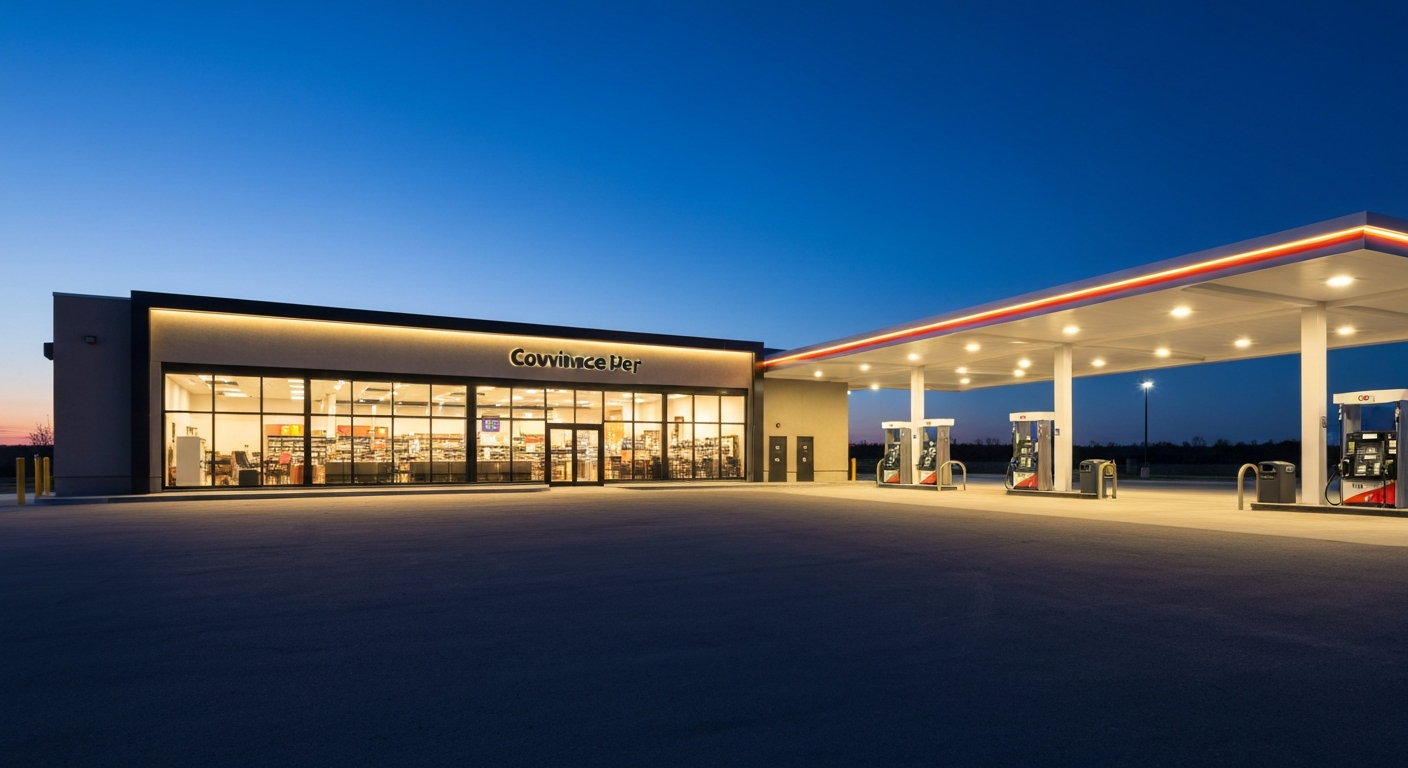
- C-Store Margins: The convenience store drives the real profit; fuel is often just a loss-leader.
Step-by-Step Gas Station Acquisition Framework
- Review Environmental Reports: Before proceeding, secure a Phase 1 ESA. If buying gas stations in older markets, ensure underground storage tanks (USTs) are fiberglass, not aging single-wall steel.
- Analyze the FSA: Review the existing Fuel Supply Agreement. Are you locked into a major brand for 10 years, or can you operate independently for higher margins?
- Audit C-Store Economics: Break down convenience store revenue. Tobacco drives volume, while snacks and hot food drive high margins (35-50%). Verify BCLC lottery commissions.
- Evaluate the Real Estate: Determine if the transaction includes the property. A prime location in Surrey or Vancouver offers significant long-term land value appreciation.
- Structure Financing: Work with specialized commercial lenders or explore Vendor Take-Back (VTB) mortgages, as outlined in our buyer masterclass. If you plan to sell a business later, clean environmental records are mandatory for your exit strategy.
Comparison: Branded vs. Independent Gas Stations
| Factor | Branded (e.g., Chevron, Petro-Canada) | Independent (Unbranded) |
|---|---|---|
| Brand Trust & Traffic | High consumer trust and loyalty programs. | Relies on local marketing and pricing. |
| Fuel Margins | Lower margins due to corporate pricing structures. | Higher margins; freedom to source cheaper fuel. |
| Operational Control | Strict corporate guidelines and mandatory upgrades. | Total operational freedom and flexibility. |
Frequently Asked Questions
What is a Phase 1 ESA?
A Phase 1 Environmental Site Assessment is a historical review of the property to identify potential contamination risks without actual soil testing. It is required by all commercial lenders in BC.
How much does it cost to replace Underground Storage Tanks (USTs)?
Replacing an aging tank farm with modern double-walled fiberglass tanks can cost upwards of $200,000 to $300,000, depending on the site size and required soil remediation.
Why is the convenience store so important?
Fuel margins are incredibly tight (often just cents per litre). The convenience store, offering high-margin items like hot food, snacks, and beverages, is where the actual net profit of the business is generated.
Looking to Buy or Sell a Gas Station?
Gas station transactions require specialized brokerage. Gurjit Ghai Personal Real Estate Corporation has the expertise to navigate environmental compliance, FSA negotiations, and commercial financing for gas stations across BC.

Gurjit Ghai, REALTOR®
Gurjit Ghai Personal Real Estate Corporation
Brokerage: Rexara Realty Inc.
Regulatory Notice: Gurjit Ghai is a licensed REALTOR® with Rexara Realty Inc., regulated by the BC Financial Services Authority (BCFSA). This article is for general information purposes only and does not constitute legal, financial, accounting, mortgage, or tax advice. Market data, financing terms, and regulatory programs change frequently — verify all figures and program terms directly with the relevant institution, lender, or qualified professional before making any decision. Reading this article does not create an agency relationship.
Forward-Looking Statements: Market projections are based on current data and assumptions. Future market conditions may differ.
Trademark Notice: REALTOR® is a registered trademark identifying real estate professionals who are members of the Canadian Real Estate Association.